A driver walks away from a crash with a dented fender and, quite often, without one detail the insurer later asks for (a witness phone number, say, or a photo of the other car’s plate). Our list of what to do after car accident injuries show up begins on the road itself. Later on there’s a doctor visit, DMV paperwork (the SR-1, due ten days out whenever there were injuries or the repair bill crosses $1,000) and a phone call to the insurance company. Landver Law works on these claims in Beverly Hills and around Los Angeles, and once we step in, adjusters phone our office and leave the client alone.
The First Half Hour: What to Do Immediately After a Car Accident on the Road
An adjuster reviewing the file months from now will mostly look at things that existed in those opening thirty minutes, much of which leaves on the back of a flatbed tow. So what to do in a car accident is largely a question of how that half hour gets spent.
Stay Put Where the Crash Happened
When somebody is injured, driving off counts as a crime under Vehicle Code Section 20001 (prosecutors can treat it as a felony if the harm is bad enough). Even a scraped bumper with nobody hurt obliges the driver to stop and give a name (Section 20002). Pull over somewhere close by and flip on the hazard lights, daytime or not.
Look After Anyone Hurt, Then Dial 911
Look at the passengers before anyone else, then at whoever was in the other vehicle. A sore neck after the airbag fired is plenty of reason to request paramedics. A 911 call normally sends a patrol car as well, and whatever goes into that police report is the first page any adjuster opens.
Clearing the Lanes When the Car Still Drives
A car that still runs and a crash with no injuries means California wants the vehicle out of moving traffic. On the 405 or the 10, aim for the right shoulder or the closest exit. If somebody is hurt or the engine is dead, sit tight with the seatbelt fastened until responders get there. Before shifting anything, though, a single photo showing where both cars stopped is worth having.
Trading Details With the Other Driver
Vehicle Code Sections 20002 and 16025 make each motorist exchange information after a collision. What we look for in a client’s notes: a full name, a home address, a driver’s license number, the vehicle registration card and the other side’s insurance information with its policy number. Snapping a photo of the license plate number on a phone beats scribbling it down, since notes taken at the curb are often hard to read a week later. If the other motorist gets aggressive or stays silent, let the responding officer collect everything.
Names and Numbers From People Who Saw It
Juries and claims staff trust bystanders more than either driver, simply because neither outcome helps them. Someone who stopped on the sidewalk to watch rarely sticks around past the first ambulance siren, and getting their cell number right after the injured are looked after saves us a lot of searching later. Witnesses who agree to talk usually remember the most on that same day. On our side, preservation letters go out in week one for doorbell and shop cameras, before that footage gets overwritten.
Pictures, Notes and Dashcam Footage
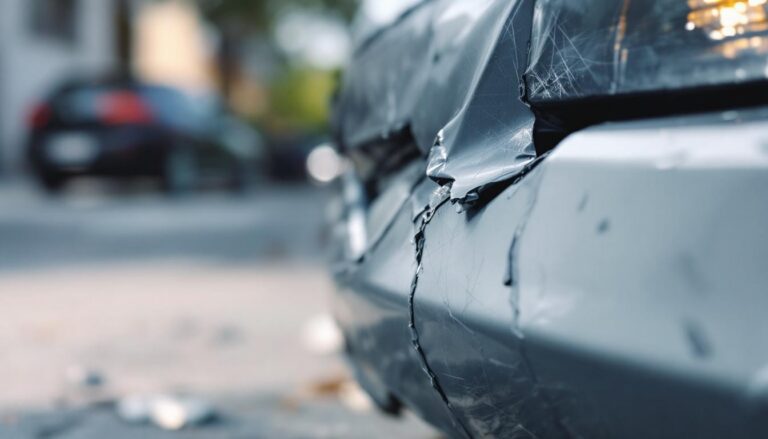
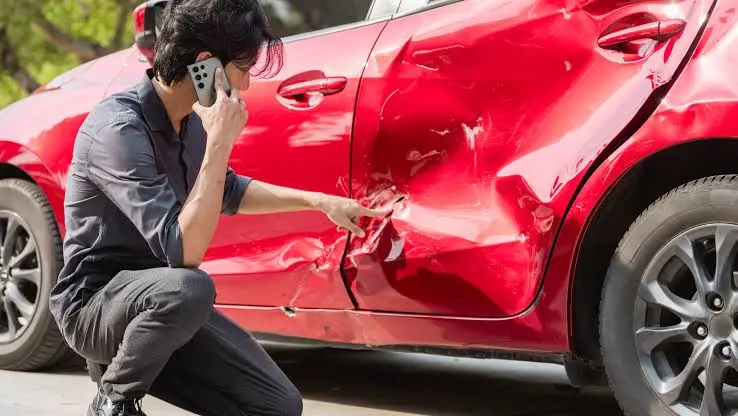
Shoot wide photos of the scene first, from a couple of angles, and the dents up close after that. Seatbelt bruises often darken over the following days, so another picture then is worthwhile. A dashcam clip should be copied off the device before the loop records over it.
Why Apologizing at the Curb Backfires
California splits blame by percentage under its pure comparative negligence rule, so a client carrying a fifth of the blame still walks away with four-fifths of the money. A polite “Sorry, I didn’t even see the car” may get quoted back months later to raise that percentage. Phone calls with any carrier deserve the same care, and our guide on what not to say to insurance after an accident lists the phrases that cost people the most.
What to Do If You Hit a Parked Car or Other Property
Clipping a parked car in a grocery store lot or backing into a neighbor’s fence still triggers Vehicle Code Section 20002. The driver needs to track down the owner or tape a note somewhere visible with a name, an address and a few lines on what happened, and then tell the city police (or the CHP outside city limits). Leaving after property damage alone is a misdemeanor.
Reporting a Car Accident in California
California separates several reporting duties, each with its own deadline, and completing one doesn’t cover the others.
Written Report to Police or the CHP in 24 Hours
If nobody in uniform wrote anything up and the crash left someone hurt or dead, Section 20008 gives each driver one day to hand a written account to the CHP or the local department. Freeway wrecks are CHP territory; on city streets it’s Beverly Hills PD or the LAPD. Our clients whose other driver sped off learn this one the hard way, because their own carrier will also want that report on file by the next day.
The DMV’s 10-Day SR-1 Deadline
Ten days is all the California DMV allows for the SR-1 form, and it’s owed after any injury or death, or once a single owner’s repair bill tops $1,000. Blame plays no part here, and neither does a police visit. Late paperwork can cost the license.
Telling the Insurer
Most policies ask for quick notice. One brief call giving the date, the location and the other driver’s info is enough to start an insurance claim. Under state regulations, the insurer has 15 days to confirm it received the claim and 40 days after proof of loss to approve or reject it.
Doctor Visits, Paperwork and Phone Calls: What to Do in the Days After a Car Accident
Claims staff review the first two weeks of paperwork carefully, and any gap can become an argument.
Getting Checked Even When the Pain Seems Small
Some injuries, whiplash or a concussion for instance, barely hurt for two or three days. We push clients to book medical attention by day three at the latest (a two-week wait lets the adjuster pin the pain on a gym session or an old back). Plenty of clients want to see a chiropractor after a car accident, and that’s fine with us as long as a physician examines them first and the adjustments follow a diagnosis.
Ordering the Collision Report
A CHP collision report can be ordered through the CHP’s online crash portal or with form CHP 190 at any CHP Area office, while LAPD and Beverly Hills PD each run their own records unit. When it arrives, go through it slowly. We regularly catch a wrong lane number or a driver’s statement credited to the wrong person.
A Folder for Bills, Receipts and Daily Symptoms
Bills, receipts and repair estimates belong in one folder, with pay stubs for any missed work. A few notes each day about the pain help as well (a month of sleeping in a recliner, for example).
Handling Calls From the Other Side’s Adjuster
The other driver’s insurance adjuster usually phones within a day or two, sounds pleasant and wants a recorded statement “just for the file.” Nothing obliges an injured Californian to hand that over to the other carrier, and they later comb the tape for any hint of shared blame. Early offers tend to arrive before anyone knows what treatment will cost. A signed release ends the claim permanently.
What to Do After a Minor Car Accident or Fender Bender
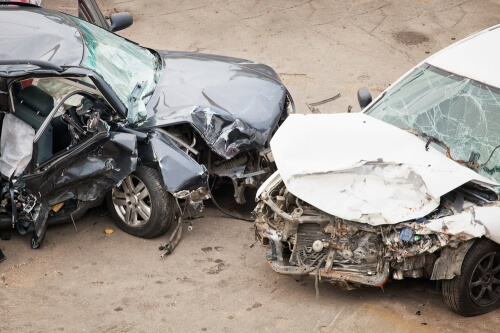
Our advice on what to do after a minor car accident barely differs from the advice for a bad wreck. Even following a fender bender in a parking garage, we’d snap pictures and get the other driver’s details before driving away. Neck pain after a 10 mph bump often surfaces a few days later, so taking cash at the curb is a poor trade.
No Insurance or a Driver Who Took Off: Who Pays Then?
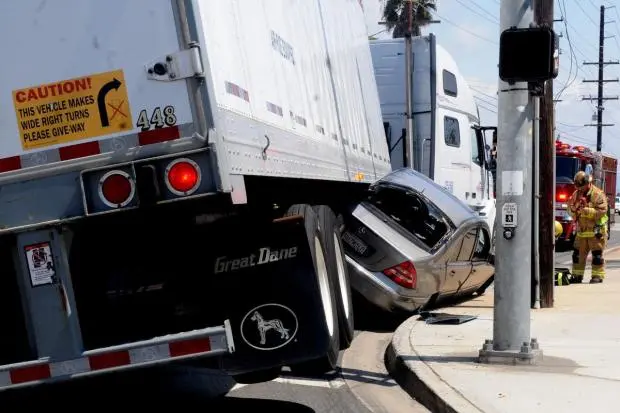
Clients often ask us, “What do I do after a car accident with someone who has no insurance?” Usually the money comes from the client’s own policy, through uninsured motorist coverage (insurers here must offer it, and dropping it takes a signed written waiver). A hit and run gets much easier to pursue with a call to dispatch made before leaving the spot, plus whatever letters of the fleeing plate somebody caught.
California Insurance Minimums and Deadlines to Know
Checklists on what to do when you get into a car accident tend to end at the curb, yet California’s numbers decide how much money is really on the table. Since January 1, 2025, a California policy only has to carry $30,000 for bodily injury per person and $60,000 per crash, which a few days in a hospital can use up. The calendar matters too. Injury suits have a two-year window here, vehicle-damage suits get three, and anything aimed at a city or Caltrans starts with a government claim that’s due in six months.
When to Call a Car Accident Lawyer
The checklist on what to do immediately after a car accident mainly keeps proof from vanishing, and a lawyer puts that evidence to work later. We’d suggest calling us when treatment drags on, when the other side starts blaming the client, or when a check shows up before the doctor is done. A California car accident attorney can also request camera footage before it’s erased and deal with the insurers on the client’s behalf. A first consultation with Landver Law costs nothing.
Frequently Asked Questions
With nobody hurt, the law doesn’t make anyone phone the police, although the DMV still expects an SR-1 once repairs run past $1,000. Part of what to do after a car accident in California is deciding whether an official report is worth having, and in our files it nearly always is once fault gets disputed.
The DMV can suspend the license until the report comes in. A driver who had no insurance on the crash date faces a one-year suspension.
Yes, if it still drives and nobody is hurt, ideally after one photo of where it stopped. After a serious injury, the cars stay put unless they’re creating a hazard.
Two ways: the CHP’s online crash portal, or form CHP 190 mailed or brought to any CHP Area office along with the fee and a copy of a photo ID.
For soreness or a sprain, yes, urgent care is fine (and it creates a dated medical record). A head injury or chest pain needs an ER, such as the one at Cedars-Sinai.