How Head Injuries Happen in the Coachella Valley
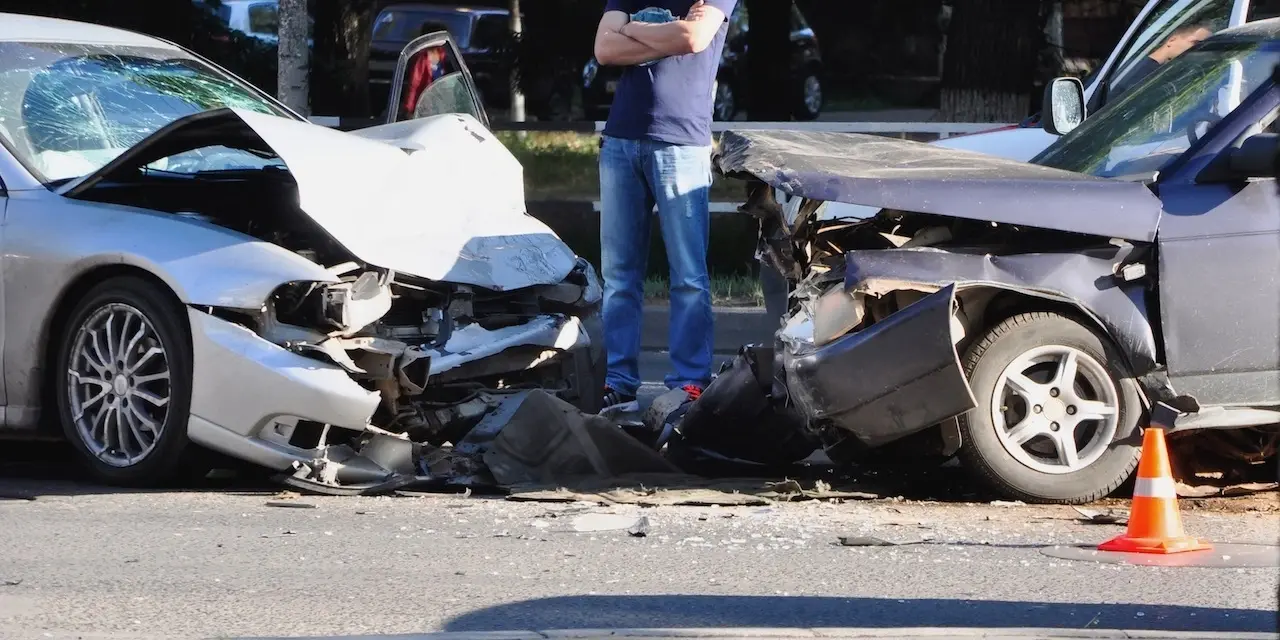
Few of the brain injury files on our desks began with anything you would call spectacular. The usual story is smaller: somebody got rear-ended at a light on Palm Canyon Drive, a semi wandered over the line on I-10, a lobby floor was mopped, and nobody put out the yellow sign. A concussion needs no skull contact; a sudden stop is enough.
Cars stop, and the brain keeps going, which is why our car accident attorney team sees TBI in crashes where both drivers drove home. Big rigs raise the stakes: a skull fracture or another catastrophic injury turns up far more often, and a truck crash attorney wants the driver’s logs before the carrier is allowed to shred them. Falls on someone else’s property put the owner under the microscope, along with what they knew about the hazard. Workplace head injuries normally open with a comp claim.
Knowing the cause tells us whose insurance is on the hook. Our brain injury lawyer in Palm Springs checks umbrella and underinsured motorist coverage too. Ask a Palm Springs brain injury attorney on the first call whether it’s worth suing, and you should get a straight answer.
Three Ways a Brain Gets Hurt
We care how a neurologist labels the injury because the label steers treatment and also shapes how a Palm Springs brain injury lawyer builds the medical case.
Closed Head Injury With No Open Wound
Here the bone holds while the damage happens underneath it, from a hit or from the head snapping back and forth. Concussion is the closed head injury people hear about most. With coup-contrecoup, the brain takes two bruises, one where it struck bone and another on the opposite side after it bounced back. Blood pooling on or inside the brain is a hematoma, and some of those end up in an operating room. The one we worry about overlooking is diffuse axonal injury, since nerve fibers tear across a broad area while the CT scan / MRI may look fine.
When Something Breaks Through the Skull
It may be glass or metal from the car, or the patient’s own bone, pushed inward by a depressed skull fracture. An open (penetrating) head injury leaves the door open to infection and seizures, so most patients go to surgery and then spend months in rehabilitation.
Hypoxic / Anoxic Brain Injury From Lost Oxygen
There’s no blow in these cases at all, just oxygen that runs low (hypoxic) or stops (anoxic), and within a few minutes brain cells begin to die. Backyard pool near-drownings and house fires bring us a lot of these. The legal fight usually comes down to minutes: how many passed, and who let them pass.
Warning Signs After a Blow to the Head
We group the signs the way the CDC and Mayo Clinic do. If anything in the last column fits, go to the ER today instead of booking a visit for next week.
Part of you affected | What you or your family may notice | Signs that mean the ER today |
Body and balance | A headache that won’t let up, queasiness, poor balance, unusual tiredness | The headache keeps building, vomiting more than once, a seizure, a numb or weak arm or leg |
Thinking and memory | Fogginess, losing the thread mid-task, memory loss for recent events | Can’t stay awake through a conversation, words coming out slurred |
Eyes and ears | Blurry vision, a ringing in the ears, bright light that hurts | One pupil bigger than the other, clear fluid leaking from the nose or ears |
Mood and behavior | A short fuse, worry that wasn’t there before, sudden swings | Agitation that is out of character, blacking out even briefly |
Much of this waits days to surface, especially memory gaps, so any blow to the head deserves a doctor’s look. The ER scores your alertness on the Glasgow Coma Scale and sends you for a CT scan; an MRI comes later if things don’t settle.
A serious head injury here goes by ambulance to Desert Regional Medical Center on Indian Canyon Drive, which the county’s EMS agency made the valley’s only adult Level I trauma center. The chart from that first visit becomes evidence, because it is what lets a traumatic brain injury lawyer in Palm Springs tie the crash to the diagnosis. If weeks passed before your next appointment, we want that gap explained on paper before the insurer starts building a theory around it.
What a Traumatic Brain Injury Lawyer in Palm Springs Does for Your Claim
A police report can say who ran the light but stays silent about your brain, and insurers make the most of that silence. Adjusters call the injury minor, hint that it predates the crash, or suggest you are making more of it than it is, and a Palm Springs traumatic brain injury attorney answers that with records rather than adjectives.
On fault, we use whatever exists: the crash report, a neighbor’s doorbell camera, the driver who was behind you. Proving the medical side is a group effort. A neurologist reviews the imaging, and a neuropsychological evaluation turns vague complaints about memory into scores a jury can review. The life care planner prices the care ahead, while a vocational expert weighs in on whether the old job is still possible.
Security video gets overwritten within weeks, so we send preservation letters early, and once you’re our client, any request for a recorded statement comes through our office.
What the Money in a Brain Injury Case Covers
The bills already paid usually make up the smaller half of a brain injury claim; the years ahead make up the larger half. Proving that part takes expert testimony, so our lawyers line those witnesses up early. Under California law, a claim can reach
- every stage of treatment, from surgery to rehabilitation that may run for years;
- paychecks already missed, plus loss of earning capacity when cognitive impairment rules out your old line of work;
- in-home help, equipment, and therapy laid out in a life care plan;
- the non-economic side: pain, memory problems, and the strain on your family;
- repairs to the car or other property.
Don’t expect a dollar figure from a traumatic brain injury attorney in Palm Springs before the medical file has been read.
Filing Deadlines for a TBI Claim in California
Section 335.1 of the Code of Civil Procedure leaves most injured Californians two years, and the count starts on the day of the crash or fall.
CCP § 352 generally pauses that clock while the injured person is under 18 or legally unable to make decisions.
A city bus or a crumbling public road changes the math: Government Code § 911.2 gives you six months to put a written claim in front of the agency, and § 352 won’t buy extra time.
A traumatic brain injury lawyer Palm Springs families contact early can work out the right date. We would much rather spot a government angle in week one than discover it in month seven.