Most low-speed crashes on Wilshire Boulevard end with two drivers trading insurance cards and heading home, both pretty sure that’s the end of it. Then the neck stiffens up on day three, or the other driver’s insurer starts saying there was never a turn signal, and something said casually in that first phone call ends up shrinking the claim. Drivers phoning our Beverly Hills office tend to open with some version of should I get a lawyer for a minor car accident, usually while a scuffed bumper is the only damage they can point to. If nobody got hurt, fault isn’t in question, and the insurer pays what the repair actually costs, probably not. An injury, a fight over fault, a low number, or a driver with barely any coverage turns it into a different conversation, and that’s where Landver Law takes over the insurer calls and the paperwork while the client gets on with recovering.
Where Insurers Draw the Line on a “Minor” Car Accident
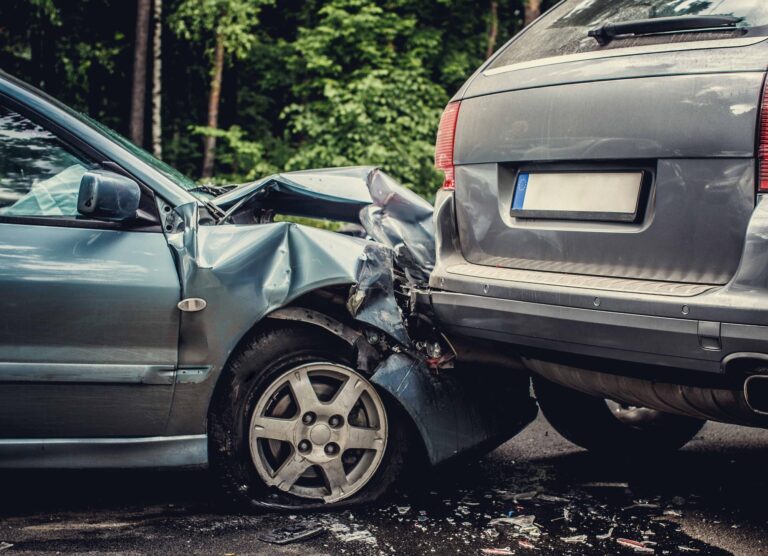
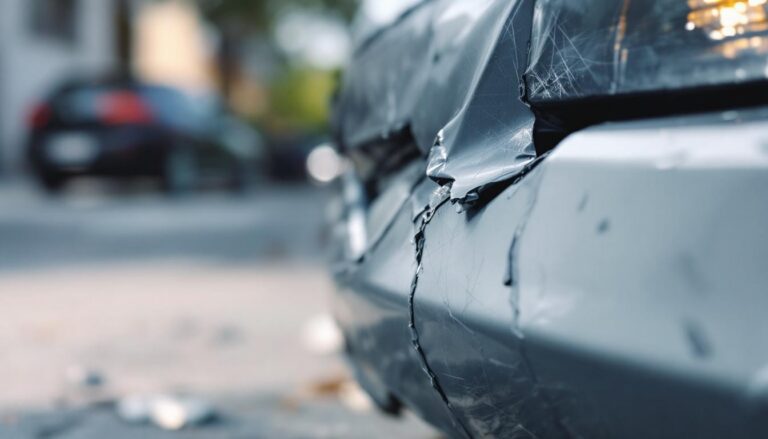
Insurers love the word “minor.” For us it usually means a slow-speed hit where both cars could still be driven away, like getting tapped from behind at a red light on La Cienega or a fender bender in a parking garage off Beverly Drive. But the word describes the cars, not the people in them. We’ve had clients with real neck injuries from 10 mph impacts, and a modern bumper packed with sensors can push a repair bill past $3,000 before anyone notices. The DMV gets involved either way: once someone was hurt or the damage passed $1,000, an SR-1 form is due within 10 days. Clients sometimes put it bluntly: is it worth getting an attorney for a car accident that left nothing worse than a crease in the quarter panel? We judge that by the weeks after the tow truck leaves, not by the crease itself.
Situations Where Handling the Claim Alone Works
Plenty of crashes wrap up with no attorney at all, and our intake team says as much over the phone whenever a caller’s facts match one of the three setups described here.
Nobody Hurt and Only Cosmetic Damage
If everyone walked away feeling fine and the damage is a cracked taillight, the claim is basically a body shop invoice. Property damage claims that size settle on photos and an estimate, and no decent firm is going to take a cut of a bumper repair. We’d still wait a week or so before calling it injury-free, since headaches have a way of showing up late.
Blame Is Obvious and the Offer Is Fair
Someone who rear-ends a stopped car on Olympic Boulevard has little defense. If their insurer admits fault in writing and the settlement offer covers the repair, the rental and the tow, taking it makes sense.
The Amount Fits Within Small Claims Limits
When an insurer drags its feet on a small bill, or an uninsured driver won’t pay, small claims court can be an easier option. California lets an individual ask for up to $12,500 there, the filing fee lands somewhere between $30 and $75, and lawyers aren’t allowed at the hearing anyway. Photos and a repair estimate usually carry the case.
When Getting an Attorney for a Car Accident Pays Off
The math looks different once someone is hurt or the insurer stops being reasonable.
Any Injury, Including the Ones That Feel Small
Whiplash pain often shows up a day or three after the crash, and by then the driver has often already told an adjuster on the phone that everybody’s fine. A soft tissue injury won’t show up on an X-ray, which gives insurers an opening to second-guess each line of the treatment log. Anyone who booked a chiropractor after a car accident should expect a letter calling those sessions excessive sooner or later. Our intake staff hears a version of this weekly: should I get a lawyer for a car accident when the only thing hurting is my neck? Once treatment goes beyond a couple of visits, a half-hour call with us is worth it.
The Two Drivers Tell Different Stories
California uses pure comparative negligence. Whatever percent of the blame lands on the injured driver gets shaved off the recovery, so 25% on a $20,000 claim leaves $15,000. Left turns at Santa Monica Boulevard and Doheny Drive produce this argument constantly. Evidence settles it, and it doesn’t last: a neighbor’s doorbell camera may record over the footage within days, and witnesses stop picking up after a few weeks. We send written requests for that footage in the first week.
A Thin Offer or a Flat Denial Arrives in the Mail
State rules give an insurer 40 days after proof of claim to accept or deny it, and many use most of that time. A lowball offer often appears before treatment ends and completely excludes physical therapy. Blaming a 40-year-old’s neck pain on a “pre-existing condition” is another move we see a lot, and we answer it with imaging and the treating doctor’s notes.
The At-Fault Driver Has Little or No Coverage
Since January 2025 the minimum California policy covers $30,000 per injured person, and plenty of drivers carry exactly that. If the injuries exceed the at-fault driver’s policy limits, or there’s no policy at all, the injured person must rely on their own uninsured motorist coverage, and their insurer suddenly has a reason to pay as little as it can. Those disputes go to arbitration in California, not to a jury, so the file has to be ready from the start.
A City Bus or a Neglected Road Played a Part
A collision with a Metro bus or a crash caused by an unrepaired pothole brings a public entity into the case. A written government claim generally has to be filed within six months, and proving public liability for a road defect requires maintenance logs and prior complaints.
Hiring a Lawyer When the Other Driver Caused the Crash
Clients ask “should I get a lawyer for a car accident that wasn’t my fault?” almost as often as they ask about fees. Being the innocent driver doesn’t make the claim easy, though. The other side’s insurer owes the injured person nothing, and its adjuster gets paid to close the file cheaply. The first seven days after a car accident that wasn’t your fault come with their own checklist, which we laid out in a separate guide. Our short reply to “should I get a lawyer after a car accident someone else caused” is yes, once anyone was hurt or the insurer begins rewriting the story.
What Our Car Accident Lawyers Handle Day to Day
Most of it happens far from the courtroom. In the first month we pull the police report, ask nearby businesses for camera footage and take over the calls with the insurer, so the client never has to give a recorded statement. While treatment continues, we gather records and pay stubs, then price out each loss in the demand: medical bills already paid plus those still coming, every missed shift counted as lost wages, and a figure for pain and suffering no adjuster raises unprompted. Filing suit is the exception on our docket rather than the routine. It’s also why our view on when to get an attorney for a car accident is simple: sooner, while the footage and witnesses still exist. Anyone comparing firms can borrow our list of questions to ask a personal injury lawyer before signing a retainer.
What Legal Help Costs After a Minor Car Accident
Our fee, like most injury firms’ in California, is a contingency fee: roughly a third of the recovery, creeping toward 40% if a case goes to trial, with no upfront payment and nothing owed if nothing comes in. On a $4,000 claim, the honest reply to “do I need a lawyer for a car accident settlement this size” is usually no, since a one-third cut eats most of any gain. A $40,000 neck and shoulder claim flips that math. Our free consultation is where we run those numbers with the real figures.
Is There a Point Where Calling a Lawyer Comes Too Late?
The statute of limitations in this state allows two years for an injury lawsuit and three years for car damage, while claims against public agencies keep that six-month window. In real life the cutoff usually comes earlier, on the day someone signs a release. After that the claim is closed, even if an MRI half a year later shows a herniated disc. Anyone asking us when to hire a car accident lawyer gets pointed to that release form: call before signing it.
Protecting the Claim in the First Days After a Minor Crash
Photos of both cars and the intersection should come before anyone moves them. The names of anyone who stopped to watch belong in a phone note right after, since bystanders at a busy Beverly Hills crosswalk rarely stick around long enough to be asked twice. A doctor’s visit within a day or two dates the injury, and it’s hard for an insurer to argue with. If the thresholds apply, the SR-1 goes to the DMV within 10 days. Receipts deserve their own folder, from the tow yard bill to parking at a physical therapy clinic, since small costs add up over months of treatment. With the other insurer, basic facts are enough; our article on what not to say to insurance lists the phrases that get quoted back most often. Drivers wondering “do I need a lawyer for a car accident” at this point usually don’t yet, but these steps keep that door open.
Frequently Asked Questions
Plenty of settlements close without it. A repair-only file with a fair number rarely needs counsel, while ongoing treatment or a coverage gap usually does, mostly because a represented demand catches losses people overlook on their own.
Many drivers deal with the insurance adjuster on their own and get paid fairly when only the car took damage. Anyone still turning over “should I hire a lawyer for a minor car accident” after a disappointing first number can get a short case review from our office.
Rarely, if someone was injured. That first figure usually arrives before treatment wraps up, and a signed release can’t be undone.
It’s possible, though the at-fault driver’s insurer normally hires the defense lawyer and pays up to the coverage amount. Personal exposure usually comes in when damages exceed that coverage. A served complaint should go to the insurer the same day.
Delayed injuries are common after rear-end impacts. Start treatment right away, and the doctor should hear about the collision so it’s in the chart. This is also what sits behind the search “why do I need a lawyer after a car accident that seemed trivial?” A claims examiner will try to pin the soreness on the gym or an old high school football injury, and only a chart opened in the first days links it to the collision.