
What Is UM Insurance?
Legally speaking, the answer to what is UM insurance could not be more basic. It is a line of coverage that sits next to liability, collision, and med pay on your policy. It follows you, not just your car, and can apply whether you are driving your own vehicle, riding as a passenger, or even walking.
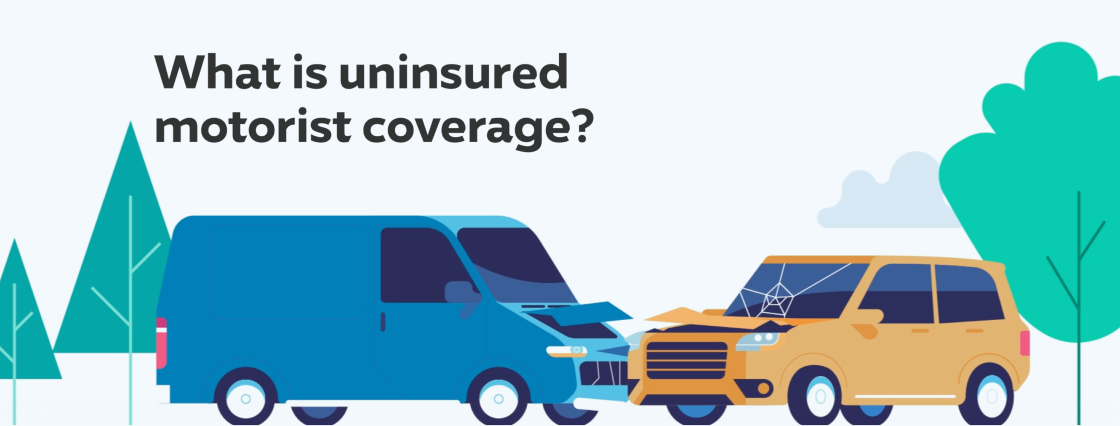
Someone runs a red light, hits your car, and the driver has no valid insurance. Maybe the policy expired, maybe it never existed. This is the gap UM coverage is designed to fill. In simple terms, the uninsured motorist insurance definition refers to protection on your own policy that applies when the at-fault driver has no liability coverage.
So what is uninsured motorist insurance, put simply? It is coverage you carry that pays for injuries and certain losses when the responsible driver has no insurance. In other words, the uninsured motorist insurance meaning is financial protection when the other driver cannot cover the damage.
How Does Uninsured Motorist Insurance Work?
The mechanics of how does uninsured motorist insurance work are less complicated than people expect. After an accident with an uninsured driver, you report the crash to your insurer, file a UM claim, and go through the same documentation process as any injury claim: police report, medical records, proof of lost wages.
What is UM insurance in practice? It’s your own insurer acting as a backstop, but don’t assume that makes things easier. Your company has the same financial incentive to minimize payouts that any other insurer has. They’ll review fault, question treatment timelines, and scrutinize your claim like any opposing party would.
What Does Uninsured Motorist Insurance Cover?
The honest answer to what does uninsured insurance cover depends on your state and how your policy is written, but generally you’re looking at two categories.
Uninsured Motorist Bodily Injury (UMBI) covers:
- Medical bills for you and your passengers
- Lost income if injuries keep you out of work
- Pain and suffering damages
- Funeral costs in fatal accident cases
Uninsured Motorist Property Damage (UMPD) covers:
- Repairs to your car or vehicle
- Damage to other property you own
Not every state requires both. Some only mandate the bodily injury portion, leaving drivers to rely on collision coverage for vehicle damage. That’s why reading your actual policy matters more than assuming you have full protection.
Does UM Coverage Apply to Hit-and-Run Accidents?
Most states treat a driver who flees the scene the same as an uninsured driver for coverage purposes. The sticking point is documentation. Many insurers require a filed police report and some evidence of physical contact between vehicles before they’ll process a hit-and-run UM claim.
What Is Underinsured Motorist Insurance (UIM)?
What is underinsured motorist insurance? It addresses a slightly different problem. An underinsured driver has some liability coverage, but not enough to fully compensate you for your losses. UIM coverage fills that gap.
If a driver causes an accident but their liability coverage is too low, underinsured motorist coverage may apply. It helps pay the remaining costs after the at-fault driver’s policy limit is exhausted, up to your UIM limits.
What Does Underinsured Motorist Insurance Cover?
What does underinsured insurance cover follows the same categories as UM: bodily injury, lost income, pain and suffering, and in some states, property damage. The trigger is different, though. UIM doesn’t activate just because the other driver had low limits. It activates when their coverage is genuinely insufficient to compensate you for documented losses, and your insurer needs to see that the at-fault policy was fully exhausted before your benefits kick in.
Uninsured vs. Underinsured Motorist Coverage: Key Differences
The distinction comes down to the at-fault driver’s insurance status.
| UM Coverage | UIM Coverage | |
| Trigger | At-fault driver has no insurance | At-fault driver’s coverage is too low |
| Pays for | Your full eligible damages | The gap between their limit and your losses |
| Common in | Hit-and-run accidents | Serious injury accidents |
Both coverages protect you and your passengers. Both are tied to your own auto policy. And both become essential the moment you’re in a serious accident with someone who didn’t plan ahead.
Example Scenarios
Scenario A: You’re stopped at a red light when a driver rear-ends your car. He has no auto insurance. Your UMBI coverage pays your emergency room bills and compensates you for the weeks you couldn’t work.
Scenario B: A driver crosses the center line and causes a serious collision. She carries $15,000 in liability. Your injuries involve surgery and months of rehabilitation. Her insurer pays the limit. Your UIM coverage handles the remaining damages up to your policy limits.
Why Drivers Choose UM and UIM Coverage
About one in eight drivers nationwide is uninsured. In some states it’s closer to one in five. That’s before factoring in the larger group carrying state minimums so low they barely cover a fender bender, let alone a real injury accident. UM and UIM premiums are modest relative to what they provide, and the protection-to-cost ratio is hard to beat.
Do You Need Uninsured Motorist Insurance?
Do I need uninsured motorist insurance? In many states, the law either requires it outright or makes you sign a written waiver if you turn it down. Where it’s optional, people tend to wish they had it only after an uninsured driver has already put them in the hospital.
Without UM, your options are limited: you can sue an individual who likely has no meaningful assets, use collision coverage to repair the vehicle, rely on health insurance for medical bills, and accept that there may be no coverage for pain, suffering, or lost earning capacity. With UM, you at least have a path to fair compensation.
Is UM or UIM Coverage Required by State?
Requirements vary from state to state. Some require both UM and UIM, some require only UM, and others simply require insurers to offer it and keep a signed rejection if a driver declines. That is why “full coverage” from an ad tells you nothing about whether these protections are actually on your policy.
The only reliable way to know is to read your declarations page or let a lawyer who handles auto claims review it with you. A five minute review can prevent a very expensive surprise later.
How Much Uninsured Motorist Coverage Should You Have?
A simple starting point is to match your UM and UIM limits to your bodily injury liability limits. If you agreed that you might be responsible for 100,000 per person, it makes sense to protect yourself and your family at the same level.
Think in concrete terms, emergency room care, surgery, rehab, months away from work, possible long term care. If your current limits would not realistically cover that scenario, then the coverage is too low.
How to Get Uninsured or Underinsured Motorist Coverage
For most people, adding UM or UIM coverage is as simple as calling the current insurer and asking to add or increase those limits on the auto policy. When you shop for a new policy, do not just compare the monthly price, compare the UM and UIM limits and how claims under those parts are actually handled.
Good questions to ask include: can you stack coverage across multiple vehicles, does UM include property damage or only bodily injury, what proof do they usually require on a hit and run claim, and how often do they litigate UM and UIM disputes. If you do not like the answers, that is a sign to look at other carriers or talk to a lawyer who sees how these companies behave when real money is on the line.
FAQs
Yes, and the case for it is straightforward. Roughly one in eight drivers you share the road with carries no insurance. The cost of adding UM coverage to most auto policies is modest. The cost of a serious accident with an uninsured driver without that coverage can be financially catastrophic. The financial comparison is straightforward.
If the accident is their fault and you have UM coverage, you file a claim with your own insurer and recover damages up to your policy limits. Without it, options are limited: sue the driver, use collision for repairs, and rely on health insurance for treatment. This is where the uninsured motorist insurance meaning stops being theoretical and starts costing real money.
Why do you need uninsured motorist insurance? Because insurance laws tell other drivers they must be covered, but laws don’t guarantee compliance. Uninsured drivers cause accidents in every state, every day, and the injured party has almost no practical recourse without UM coverage. Beyond the financial protection, there’s a simpler reason: you’ve been responsible enough to carry proper coverage. You should not bear the financial consequences of another driver’s failure to carry insurance.