
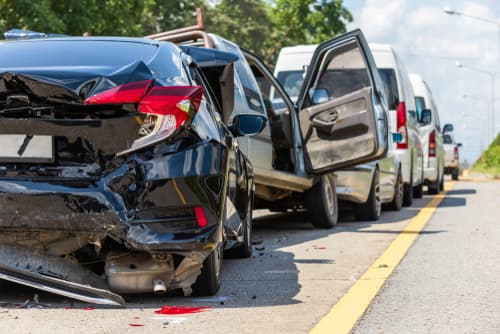
Everyone “knows” the rear driver is always at fault. People repeat it like a law. It isn’t one. And honestly, it’s one of those “facts” that causes real financial damage to real people every single day — because they believe it before anyone even reviews the evidence. So if you’ve just been in a crash and you’re already mentally writing that check — stop. The full story matters here, and it rarely goes the way you expect.
Are Rear-End Accidents Always the Rear Driver’s Fault?
Depends who you ask. Seriously.
Why rear drivers are often presumed at fault
Ask any insurance adjuster and yes, they’ll point at the driver in the back. The logic? You’re supposed to leave enough room to stop. If you rear-end someone, the default assumption is you were too close or not paying attention. It’s the path of least resistance for an adjuster trying to close a file.
That’s the starting point. Not the verdict.
When that presumption can be challenged
Here’s the thing about presumptions — they fall apart when the facts don’t fit. If someone created a dangerous situation right in front of you, the liability picture changes completely. The law doesn’t exist to punish people for physics. So if you rear end someone is it always your fault? Not even close. But you’ll need solid evidence to make that case stick.
When a Rear-End Collision May Not Be Your Fault
A lot of drivers give up here. They figure the bumper contact settled everything. It didn’t.
The lead driver stopped suddenly or illegally
Imagine this: a car on the highway slams the brakes with zero warning, no hazards, no reason anyone can see. You hit them. Who actually caused that rear-end collision? Because from where you were sitting, there was nothing to react to until it was too late.
A sudden, unjustified stop puts real negligence on the front driver. Courts look at whether that stop made any sense given the situation — traffic flow, road conditions, what was happening around them. Often, it didn’t.
Brake lights were not working
Straightforward one. No functioning brake lights means you had no signal to react to. That’s not distracted driving — that’s a vehicle defect that puts other drivers at risk. Document it immediately at the scene, photograph it, mention it to the officer. That single detail can flip an entire insurance claim.
Unsafe lane changes or cut-offs
Someone merges into your lane with two car lengths to spare. You brake hard. You still hit them. Is it always your fault if you rear end someone who just cut in front of you like that? No. They created the hazard — you just couldn’t disappear on command. Dashcam footage is what wins these cases — without it, good luck proving anything to an adjuster who wasn’t there.
Multi-car crashes and chain-reaction accidents
Chain-reaction crashes work differently. Car A hits car B. Car B gets pushed into you. You weren’t driving badly. You weren’t even part of this until someone else’s impact reached you.
Fault in these situations gets split — sometimes across three or four drivers. The investigation has to trace the full sequence, who moved first, who had time to react, what speeds were involved. Blaming whoever ended up last in line isn’t accurate, it’s just lazy.
How Fault Is Determined in a Rear-End Accident
Nobody assigns fault based on gut feeling. It comes down to documentation.
Police reports, witness statements, and dashcam footage
The police report is the first thing anyone reads. It captures the officer’s initial read, any tickets issued, key observations from someone who arrived right after it happened. Witnesses add details neither driver will agree on — and they tend to be more credible than either party. And dashcam footage? That’s the closest thing to a referee this whole process has. Thirty seconds of clear video ends most arguments before they start. If you don’t have a dashcam yet, this is the moment you realize you need one.
Vehicle damage, skid marks, and road conditions
Skid marks show when braking started and how hard. Damage patterns reveal impact angle and relative speed. Road conditions — ice, debris, standing water — factor into whether stopping was even physically possible given the distance and speed involved.
None of this is minor detail. It all feeds directly into fault percentages, and those percentages control the damages.
Common Defenses in Rear-End Collision Cases
Rear-end crashes look simple from the outside. They’re usually not.
Comparative negligence and shared fault
Most states don’t require fault to be 100% one person’s problem. If the front driver contributed to the crash, their share of negligence reduces what you owe. You’re found 25% responsible, they’re 75% — that’s a completely different settlement than carrying the whole thing yourself. The difference can be thousands of dollars. Worth understanding before you sign anything.
Emergency situations and unavoidable accidents
Sometimes a collision is genuinely unavoidable. A tire blows out at highway speed. Debris falls off the truck directly in front of you. A child runs into the road. There are situations no amount of good driving fixes, and holding someone liable for that isn’t justice — it’s just convenient paperwork. Courts recognize that — but it takes actual evidence, not just your version of events afterward.
What to Do After a Rear-End Accident
The first hour after a crash matters more than most people realize.
Steps to protect your health and claim
Check for injuries first. Even if you feel fine — whiplash often shows up hours later, not at the scene, and by then you’ve already told someone you’re “okay.” Call the police and get a formal report filed. And don’t rush into a recorded statement with insurance before you understand exactly what’s being asked. Adjusters are trained to ask questions that sound routine but aren’t. One careless sentence becomes a problem you can’t take back.
What evidence to gather at the scene
Photograph both vehicles from multiple angles before anyone moves them. Capture skid marks, road surface, debris, final positions. Get the other driver’s full details — name, license, plate, insurance. If there are witnesses, get their numbers on the spot, not after they’ve walked away. Back up your dashcam footage the moment you’re somewhere safe — don’t wait, don’t assume it saves automatically.
How Rear-End Accident Claims Affect Compensation
After a rear-end crash, it’s not just about the damage you can see. It’s about how everything is interpreted and handled from that point on. The way fault is determined and the choices you make along the way can have a real impact on how much you end up receiving.
Why fault matters for insurance and settlements
Fault is the number that controls everything else. It determines who pays, how much, and whether your own settlement gets reduced. Even in no-fault states, property damage and serious injury claims still depend entirely on how fault gets assigned. Get that number wrong — or let someone else define it without pushback — and the settlement reflects it. Sometimes permanently.
When you should talk to a lawyer
If anyone was injured, if the other driver is making a significant claim, or if you genuinely believe the crash wasn’t your fault — don’t settle anything without legal advice first. Insurance companies are very good at moving cases fast and cheap. Speed benefits them, not you. A lawyer who handles rear-end collision cases regularly knows what evidence actually shifts the outcome, and when the number on the table isn’t worth accepting.
FAQs
No. The presumption leans that way, but presumptions break. Sudden stops, broken brake lights, dangerous cut-offs — all of these shift the liability picture. If you rear end someone is it always your fault? Only if the evidence actually supports that conclusion.
Yes. Cutting someone off, stopping without cause, reversing unexpectedly, driving with broken brake lights — these put negligence squarely on the lead driver. Is it always your fault if you rear end someone who did those things? It isn’t.
Dashcam footage, the police report, scene photos, witness contacts, skid mark documentation, any proof of vehicle defects. Collect everything while you’re still at the scene — memories fade fast, and physical evidence gets cleaned up faster.